Why Adaptive Footwear Matters to Stroke Survivors
footwear needs
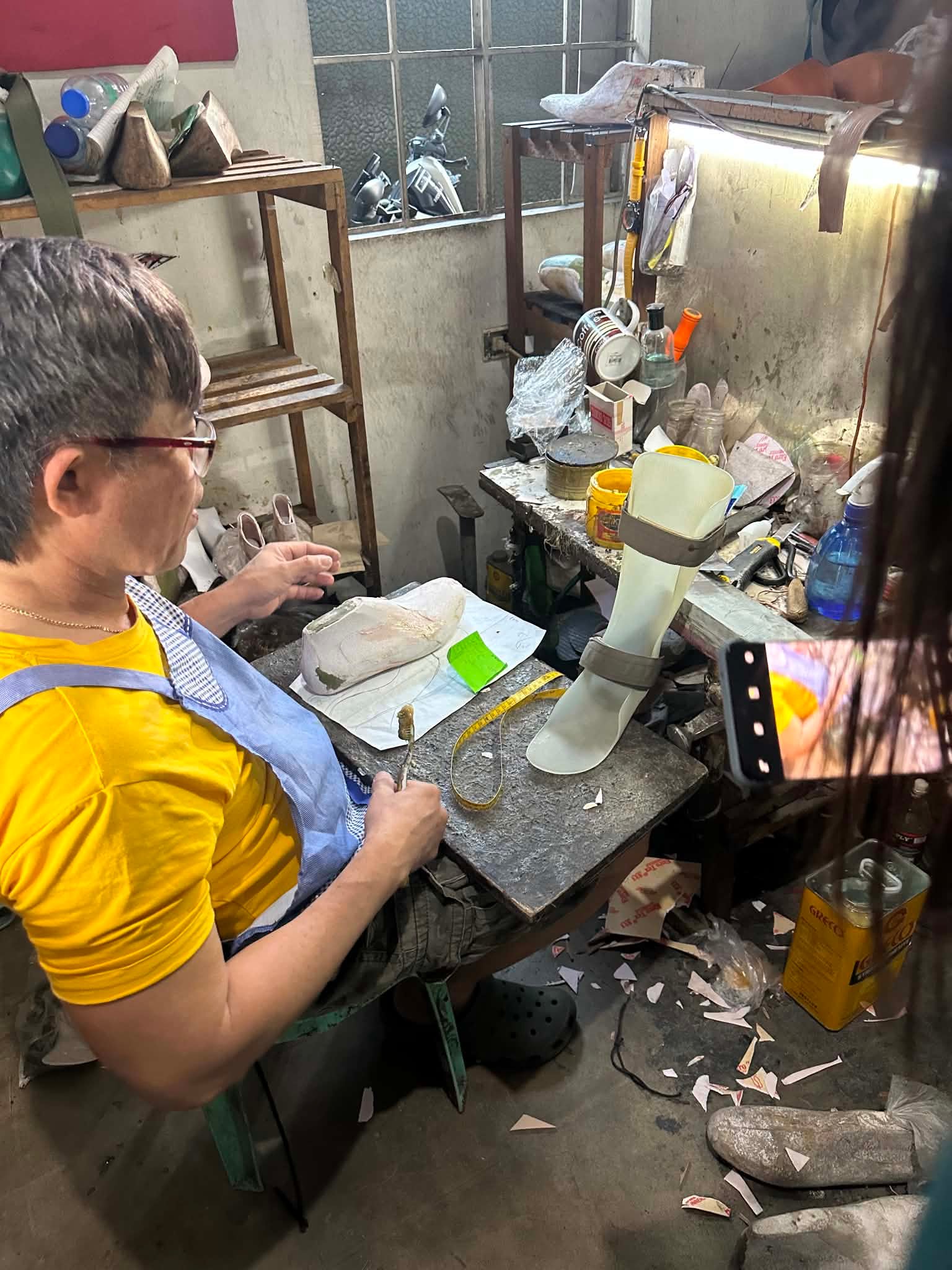
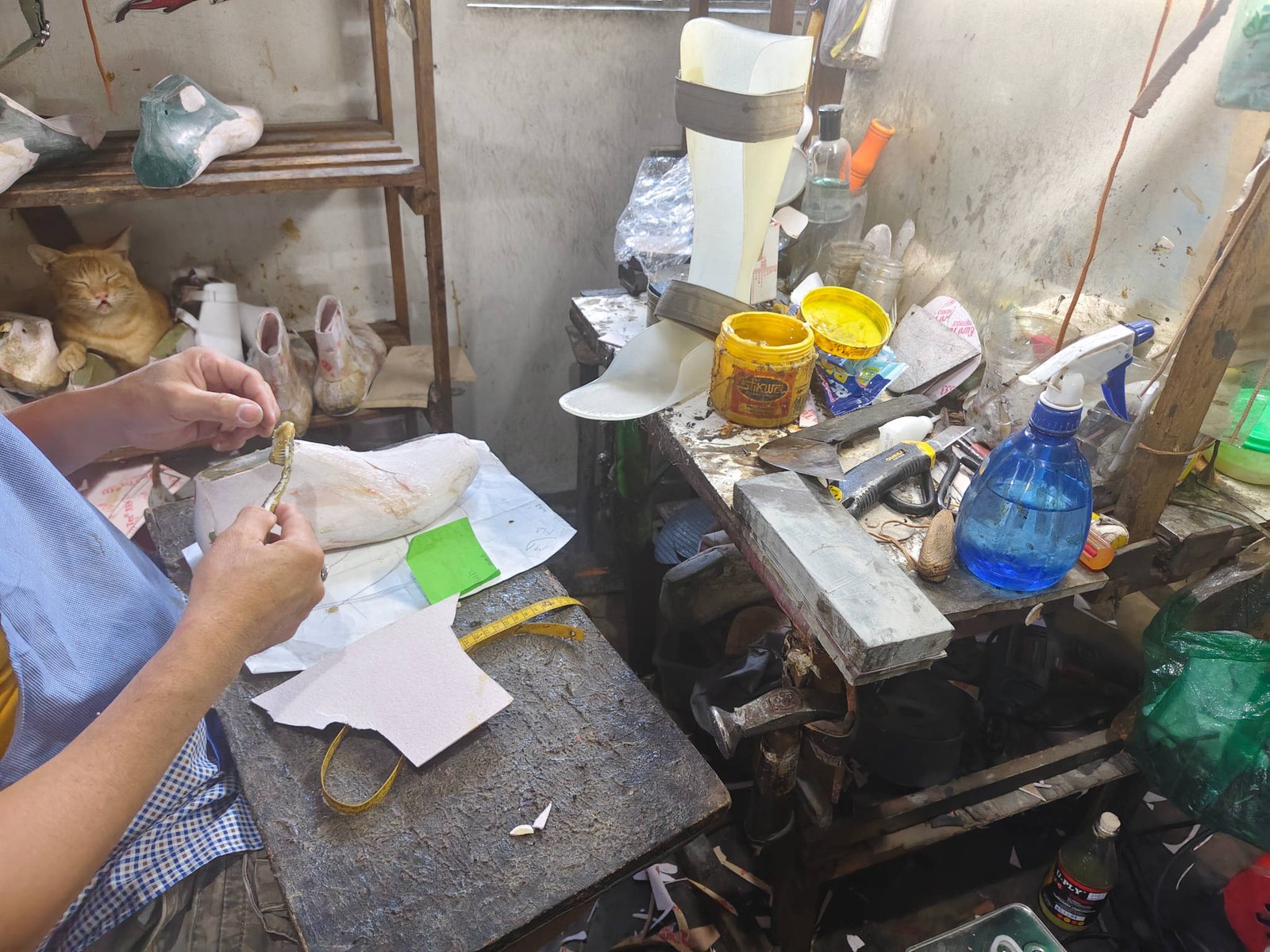
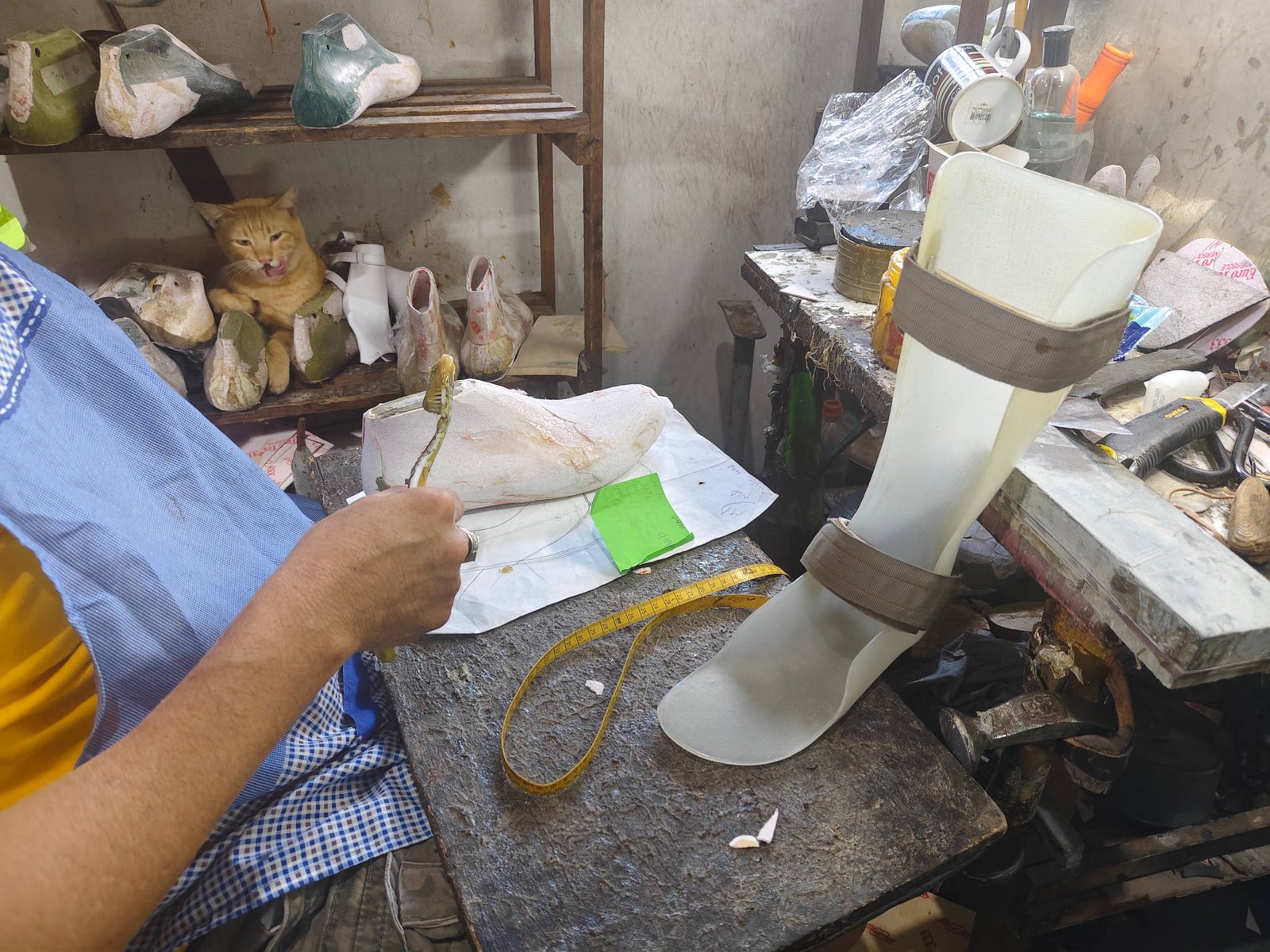
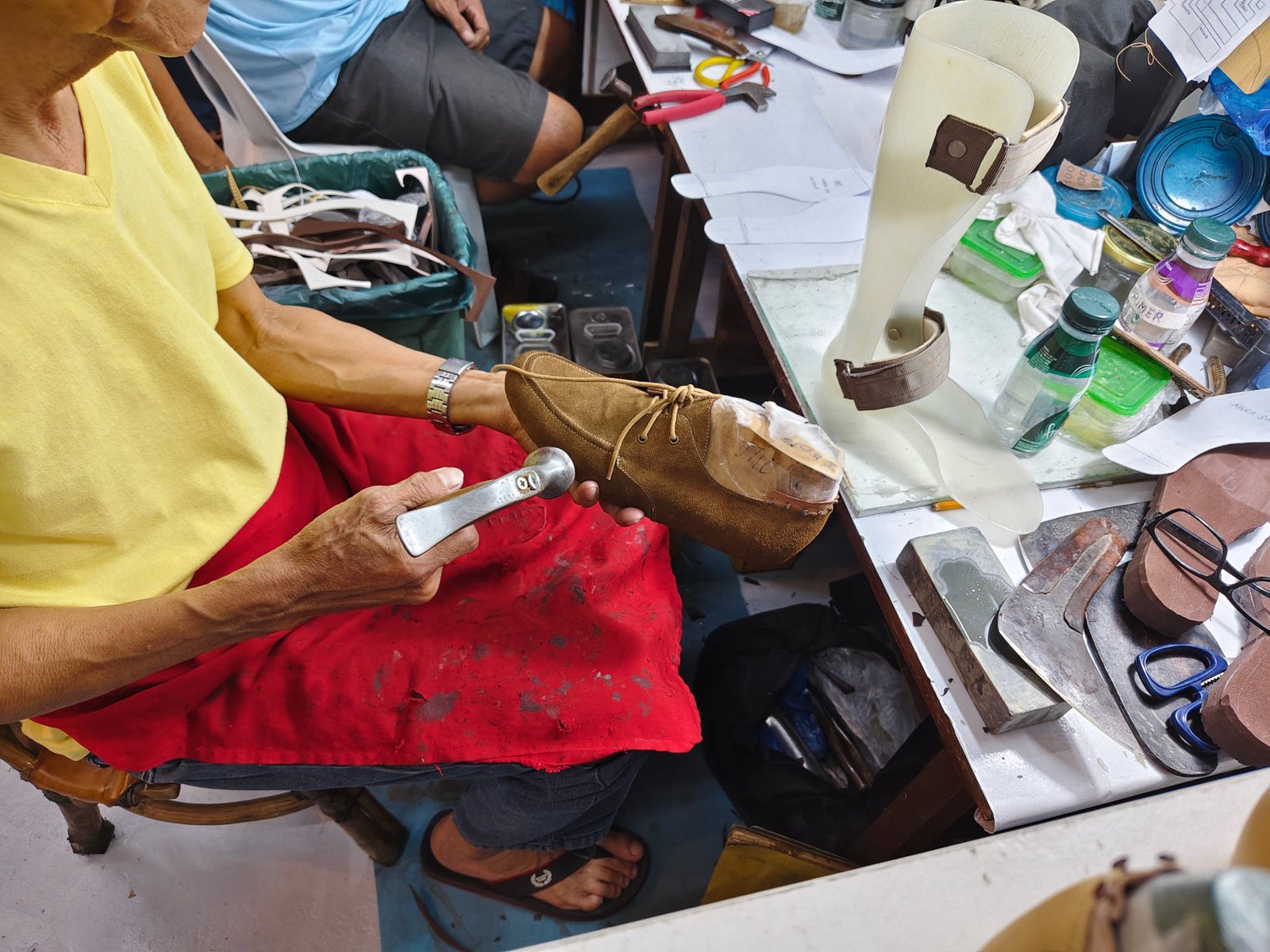
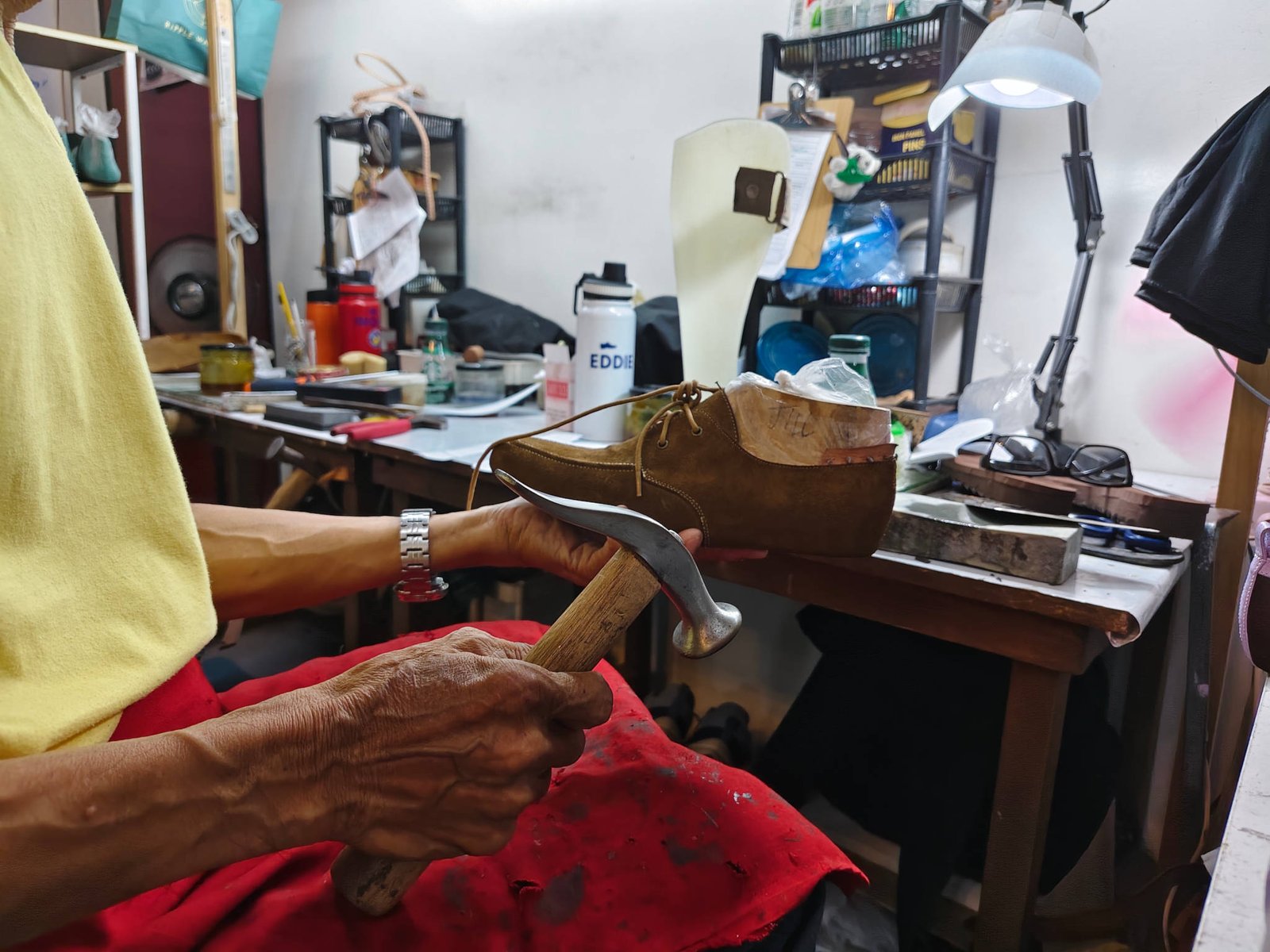
In this section, you will find the different symptoms of post-stroke complications and solutions to prevent hazardous risks. The symptoms stated are often experienced by survivors and lead to making ordinary shoes uncomfortable, difficult to wear, and potentially unsafe. Marikina shoemakers/ artisans are empowered to create and design adaptive footwear to address these challenges by improving fit, stability, and ease of use, helping individuals move with greater comfort, confidence, and independence.
Familiarize how common post-stroke complications affect motion and why adaptive footwear is essential for safer, more comfortable movement. Discover how inclusive innovation empowers Marikina shoemakers to transform their craftsmanship into adaptive footwear solutions that restore confidence and independence.
Symptom #1
Hemiplegic Gait
A walking pattern caused by one-sided weakness or paralysis, typically coming from a stroke. It affects walking by causing the affected leg to drag or stiffen.
Symptom #2
Spasticity
An abnormal muscle tightness and stiffness caused by damage to the brain or spinal cord. It forces muscles to remain contracted and resist being stretched, often resulting in uncontrollable spasms. It commonly affects individuals with conditions like cerebral palsy, multiple sclerosis, or stroke.
Solution
The Sliding Soles
To avoid falling, the footwear must have a sliding area at both sides of the bottom front where the foot usually gets stuck while walking.
Result
Improvements
The video demonstrates how adding this feature helps the wearer walk safely and smoothly.
Wearing this type of footwear helps the user wear his shoes with confidence as this design is perfectly made ergonomically and aesthetically , with a zipper on its side, rocky sole, and wide toe box, allowing the user to fit his brace and wear the shoes comfortably in an easy way without having to tie shoelaces and bend over and support his balance.
This type of footwear is designed with rocky soles, wide toe box, allowing them to reduce tripping hazards and facilitating smoother movement. A wide toe box accommodates toe deformities and allows for natural balance. Rocker soles create an artificial pivot point, making it easier to roll the foot forward without requiring flexible ankle joints.