Materials
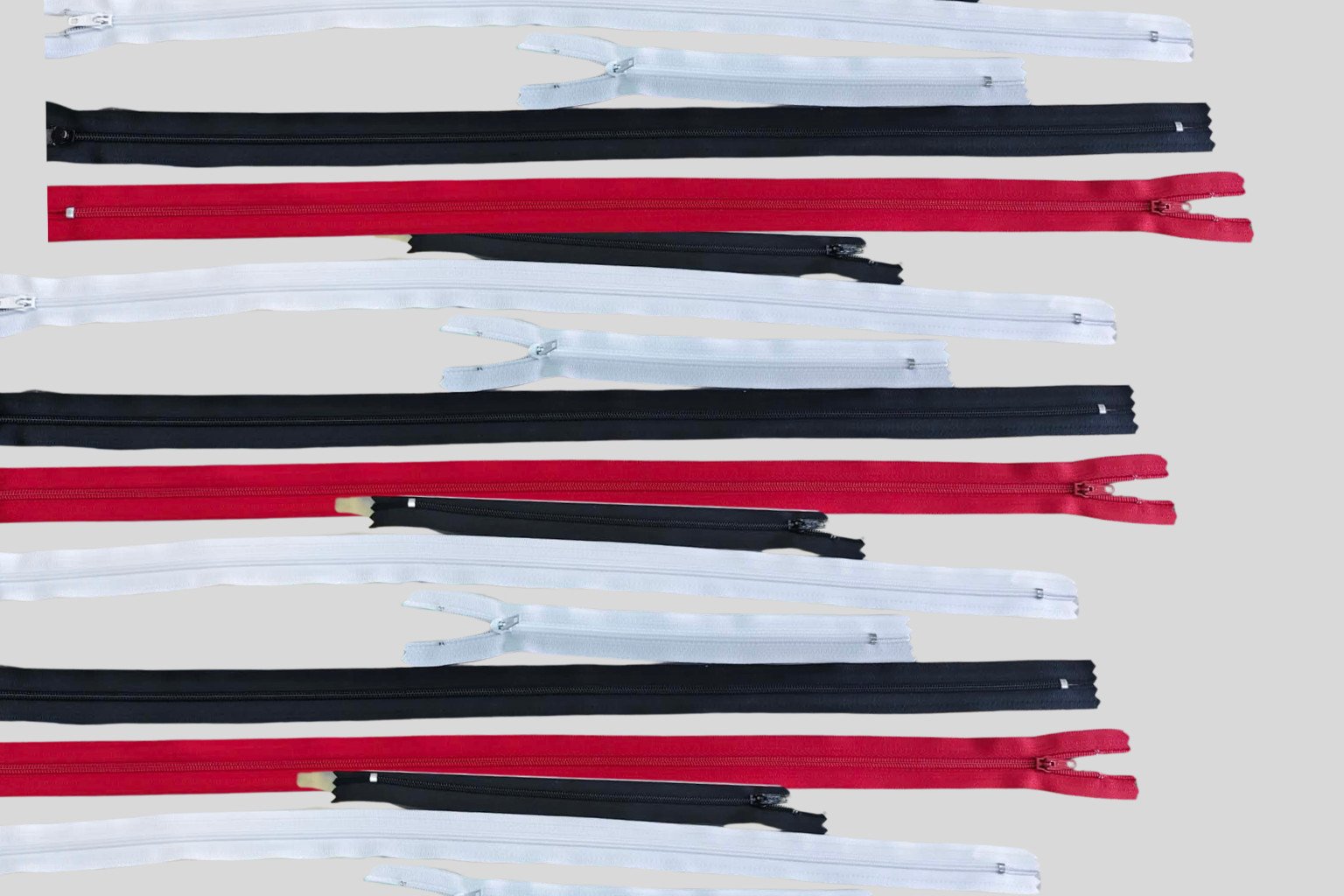
Wraparound Zippers
Wraparound Zippers are specialized shoe closures that run along the side of the shoe and around the toe, allowing the upper part to fold open completely. By applying this design, it creates a wide, unobstructed portal that allows the wearer to simply step their foot directly onto the footbed and zip it closed.
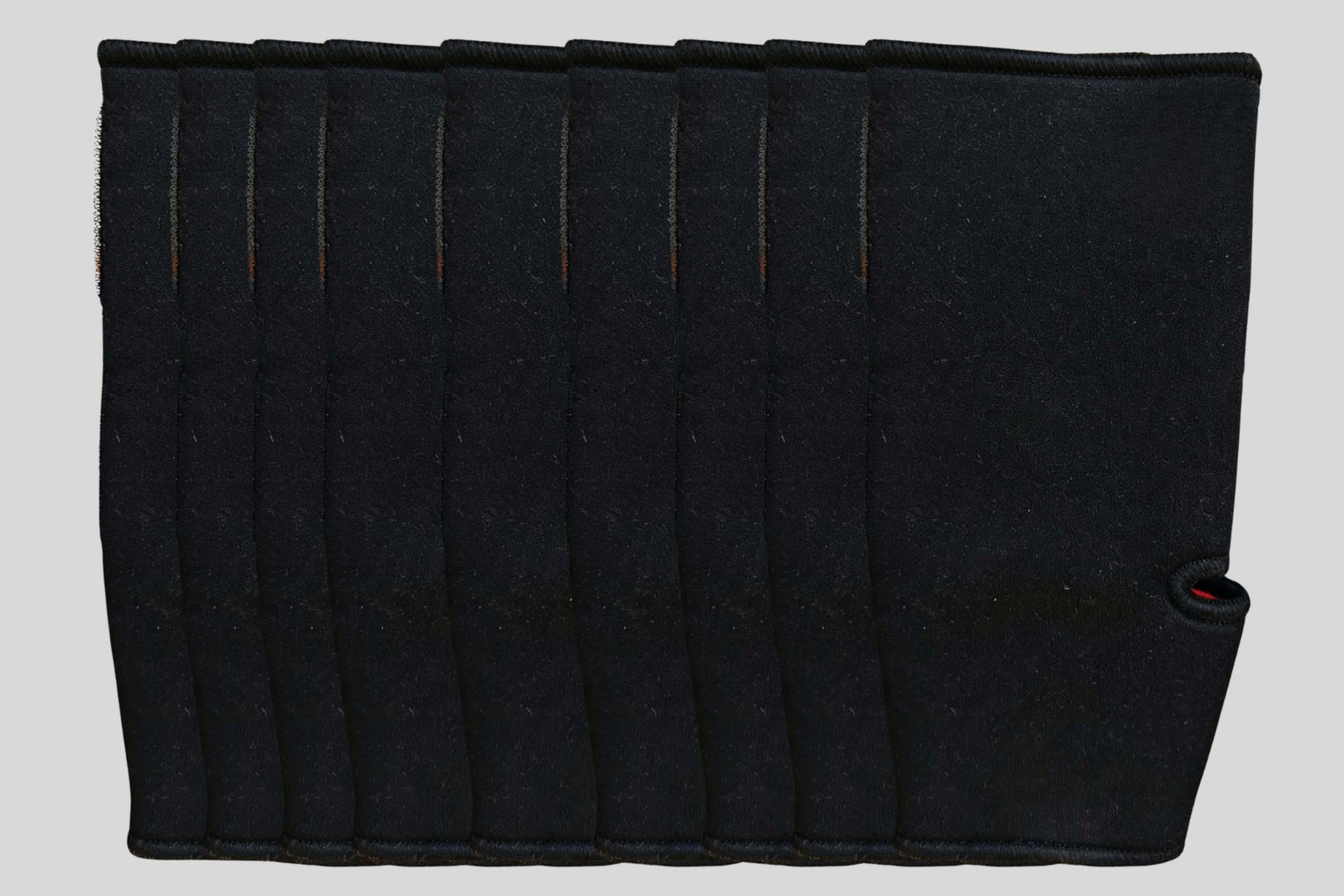
Neoprene
Neoprene is a versatile, synthetic rubber used in footwear and orthotics. By applying this material to an adaptive footwear design, it can improve walking patterns and stability, as it enhances proprioception (body awareness) by providing localized joint compression and trapping therapeutic body heat. These factors help the brain better register the position of the limbs, reducing unsteadiness and correcting abnormal gait.
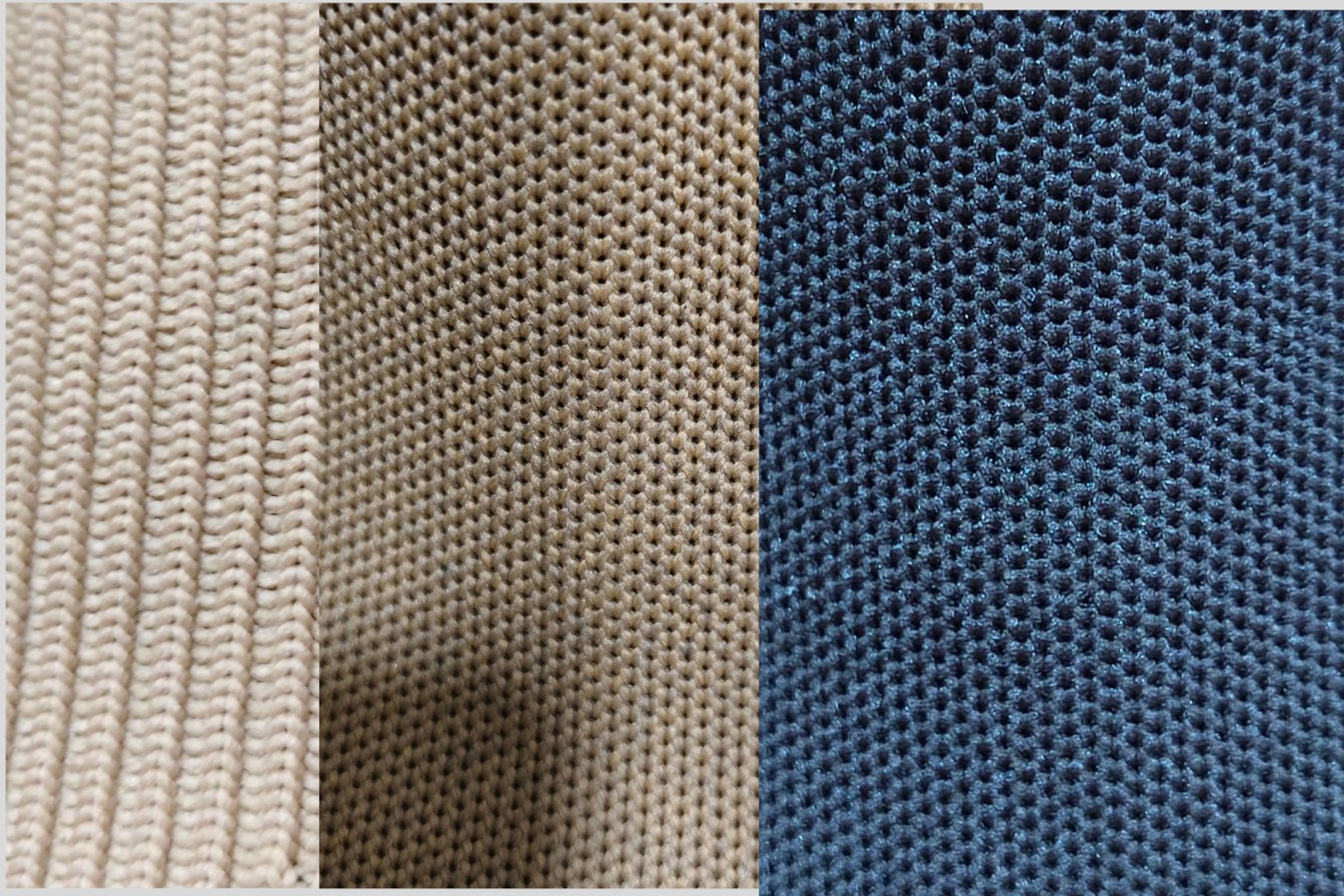
Engineered Knits
Engineered knits are machine-woven shoe uppers made from continuous, high-strength yarns. This material accommodates spasticity and hemiplegic gait, accommodates foot deformities (like toe-curling), adapts to daily swelling, reduces friction over sensitive areas, and easily stretches over rigid braces. For spasticity, they avoid the rigid toe boxes of traditional leather shoes, eliminating painful pressure points because this material is flexible and stretchable, which allows many individuals with hemiplegia to require an AFO for foot drop. The four-way stretch and variable tension of knit uppers allow the shoe to expand and comfortably fit over bulky braces.
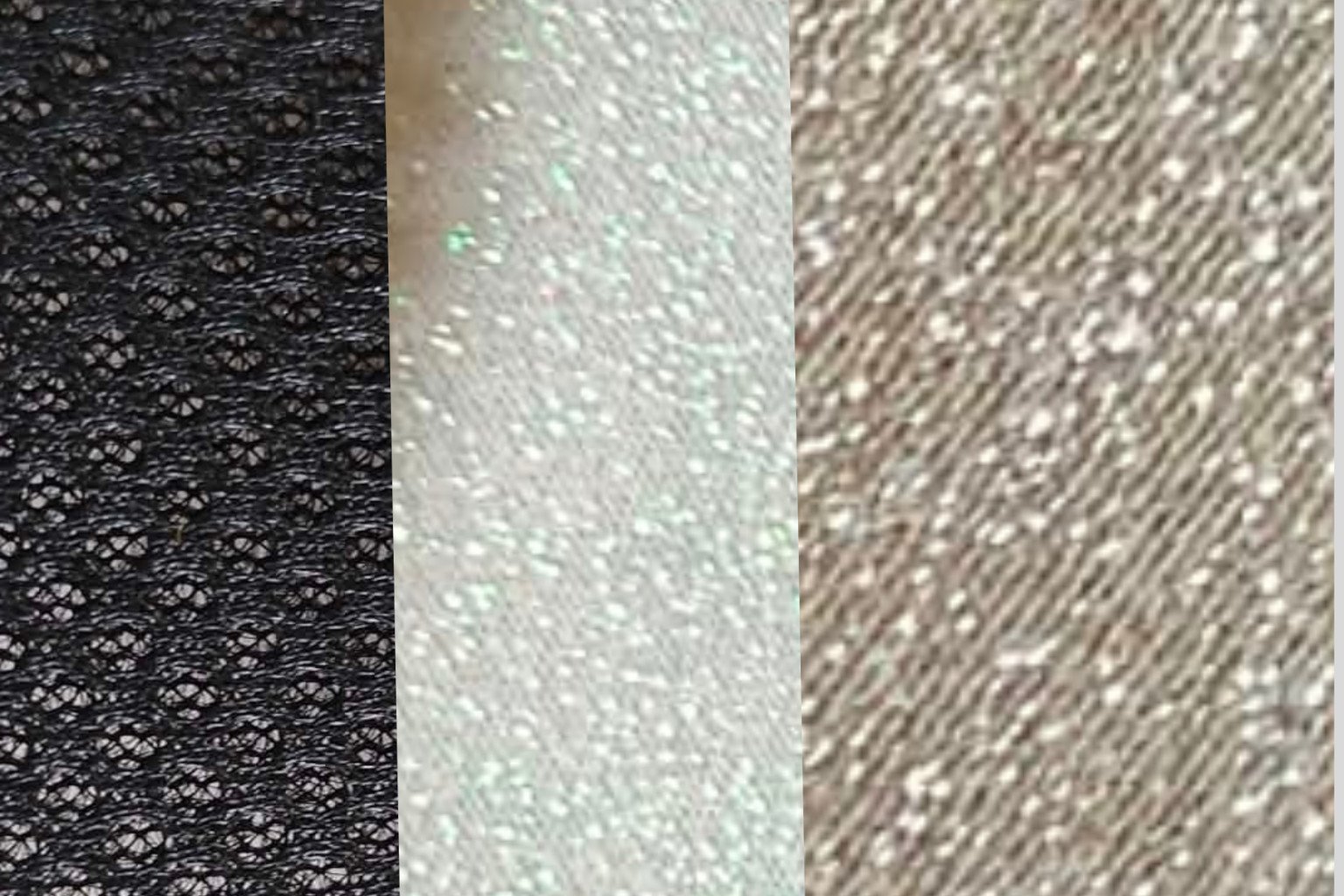
Spacer Mesh
Spacer mesh (or 3D mesh) is a highly breathable, three-dimensional textile made by joining two outer fabric layers with internal vertical micro-filaments. It mimics foam padding but is significantly lighter. This type of material is better to use in designing adaptable shoes, especially for those experiencing spasticity and hemiplegic gait, as this material combats muscle fatigue, provides strategic cushioning against stiff braces, and prevents friction-induced skin damage during dragging.
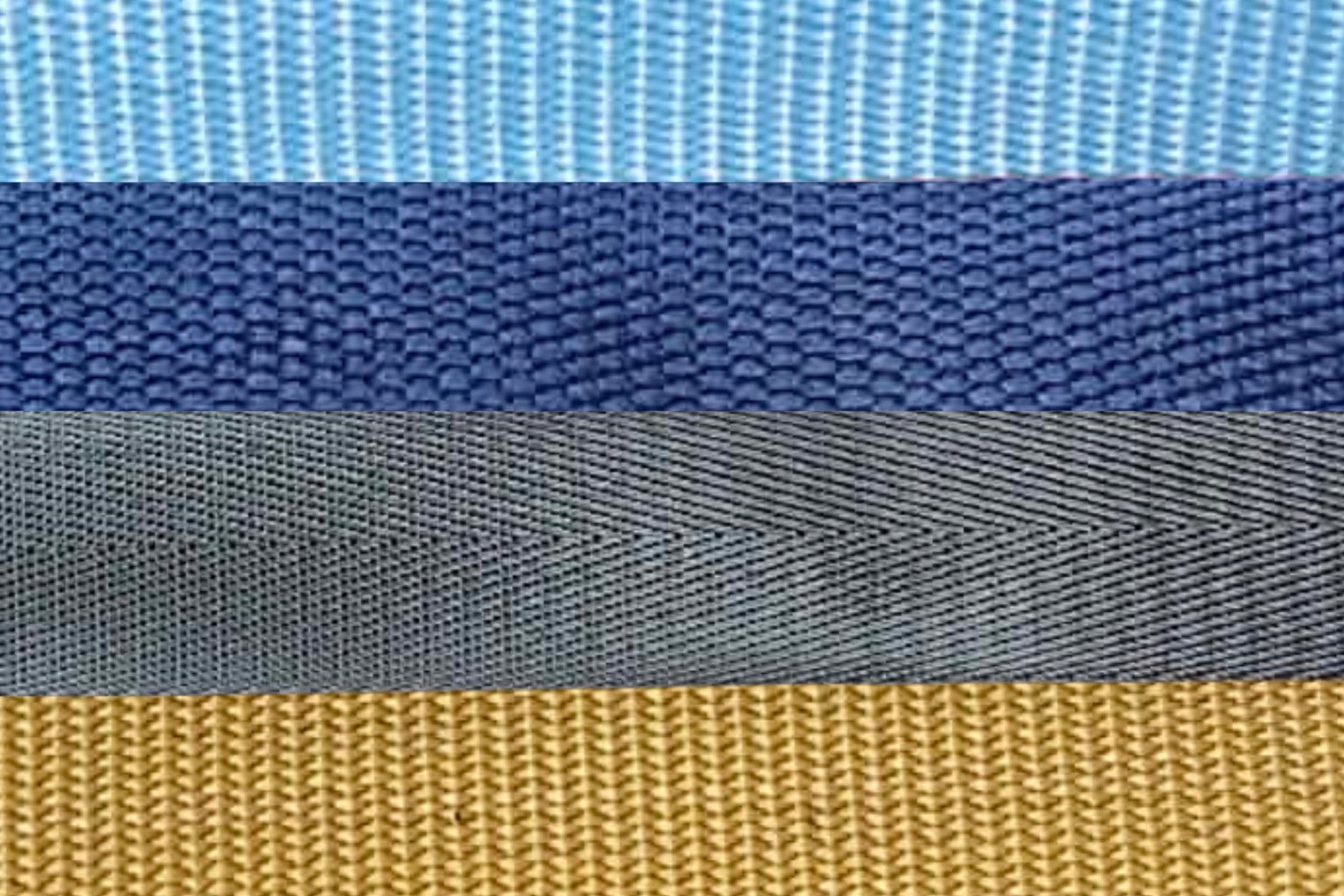
Elastic Webbing & Gore
Elastic webbing and gores are stretchy, flexible fabric panels built into a shoe. A gore is a triangular or wedge-shaped insert, typically on the sides of the ankle, that allows the shoe to widen for easy entry, while elastic webbing spans across the tongue or heel to provide a snug, continuous hug around the foot. Applying this material can help people with spasticity and hemiplegic gait by accommodating muscle spasms, minimizing pressure points, and securing the foot mid-stride, as this material holds the shoe firmly to the foot, preventing the shoe from slipping off or flopping around when the wearer drags their foot. It also maintains orthotic compatibility. This dynamic expansion provides extra volume by stretching over rigid hardware, while retaining flexibility so the shoe naturally conforms to the wearer’s movements without restricting circulation.

Synthetic Linings
Synthetic shoe linings (like polyester, nylon, or neoprene) act as smooth, moisture-wicking barriers between the foot and the shoe. They reduce friction, prevent blistering, and manage sweat. For people with spasticity and hemiplegic gait, these linings are essential because they prevent painful skin breakdown and allow braces to slide on easily, acting as a low-friction, moisture-wicking barrier between your skin and the rigid frame of the brace.
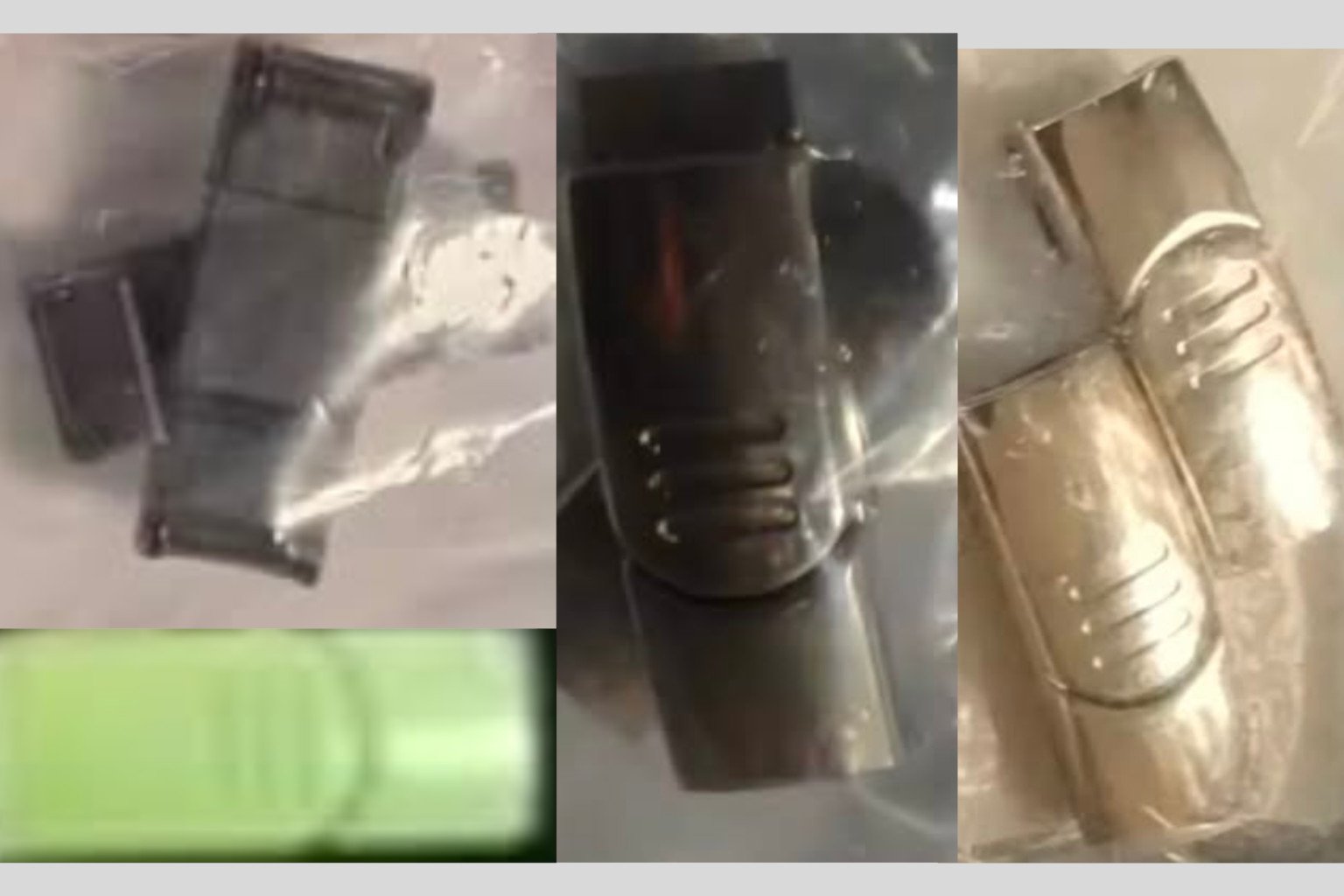
Magnetic Fasteners or Glides
Magnetic fasteners are interlocking magnets that replace traditional shoelaces or Velcro, while magnetic glides are specialized footwear or attachments that help the affected foot slide across the floor or treadmill during gait therapy. Both ease the physical challenges of dressing and walking by helping correct asymmetric walking patterns for stroke or neurological patients by passively reducing floor friction.